
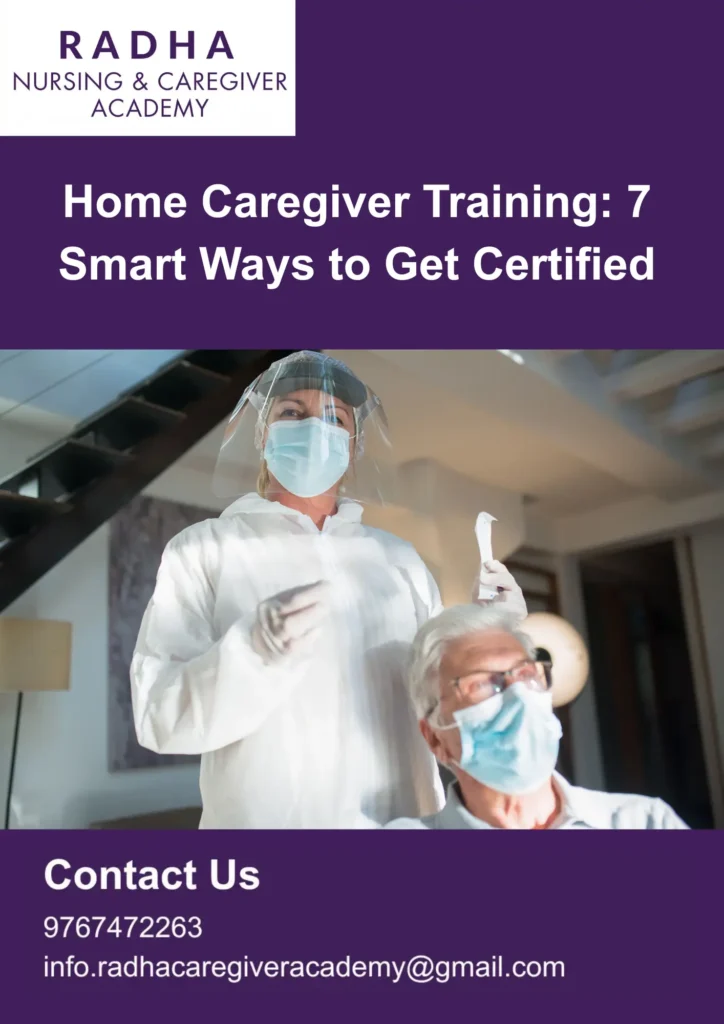
Home Caregiver Training: 7 Smart Ways to Get Certified
The demand for skilled caregivers continues to grow as more families seek professional support for older adults, individuals with disabilities, and patients recovering at home. Home Caregiver Training is an excellent way to build a rewarding career in healthcare while making a positive impact on people’s lives. Earning a recognized caregiver certification enhances your practical skills and improves your chances of finding employment in hospitals, home care agencies, nursing homes, and international healthcare organizations.
If you’re planning to become a professional caregiver, this guide covers everything you need to know about Home Caregiver Training, including certification tips, essential skills, career opportunities, and how to choose the right training institute.
Table of Contents
- What is Home Caregiver Training?
- Why is Home Caregiver Training Important?
- 7 Smart Ways to Get Certified
- Skills You Will Learn During Home Caregiver Training
- Career Opportunities After Home Caregiver Training
- How to Choose the Right Home Caregiver Training Institute
- FAQs
- Conclusion
What is Home Caregiver Training?
Home Caregiver Training is a professional course that prepares individuals to provide safe, compassionate, and effective care to patients in their homes. A quality caregiver training program combines classroom instruction with practical experience, allowing students to learn patient care, elderly support, disability assistance, infection prevention, nutrition, and emergency response.
Whether you are a recent graduate, healthcare assistant, or someone looking for a new career, this caregiving course provides the knowledge and confidence needed to deliver high quality home healthcare services.
Why is Home Caregiver Training Important?
Completing Home Caregiver Training benefits both caregivers and the people they care for. Professional education ensures that caregivers provide safe, ethical, and patient centered support while meeting healthcare standards.
Some of the key benefits include:
- Develop professional caregiving skills
- Improve patient safety and comfort
- Learn hygiene and infection prevention
- Increase employment opportunities
- Gain confidence in emergency situations
- Meet local and international healthcare standards
- Earn a recognized caregiver certification
With an aging population worldwide, qualified caregivers continue to be in high demand across hospitals, home care agencies, rehabilitation centers, and private households.
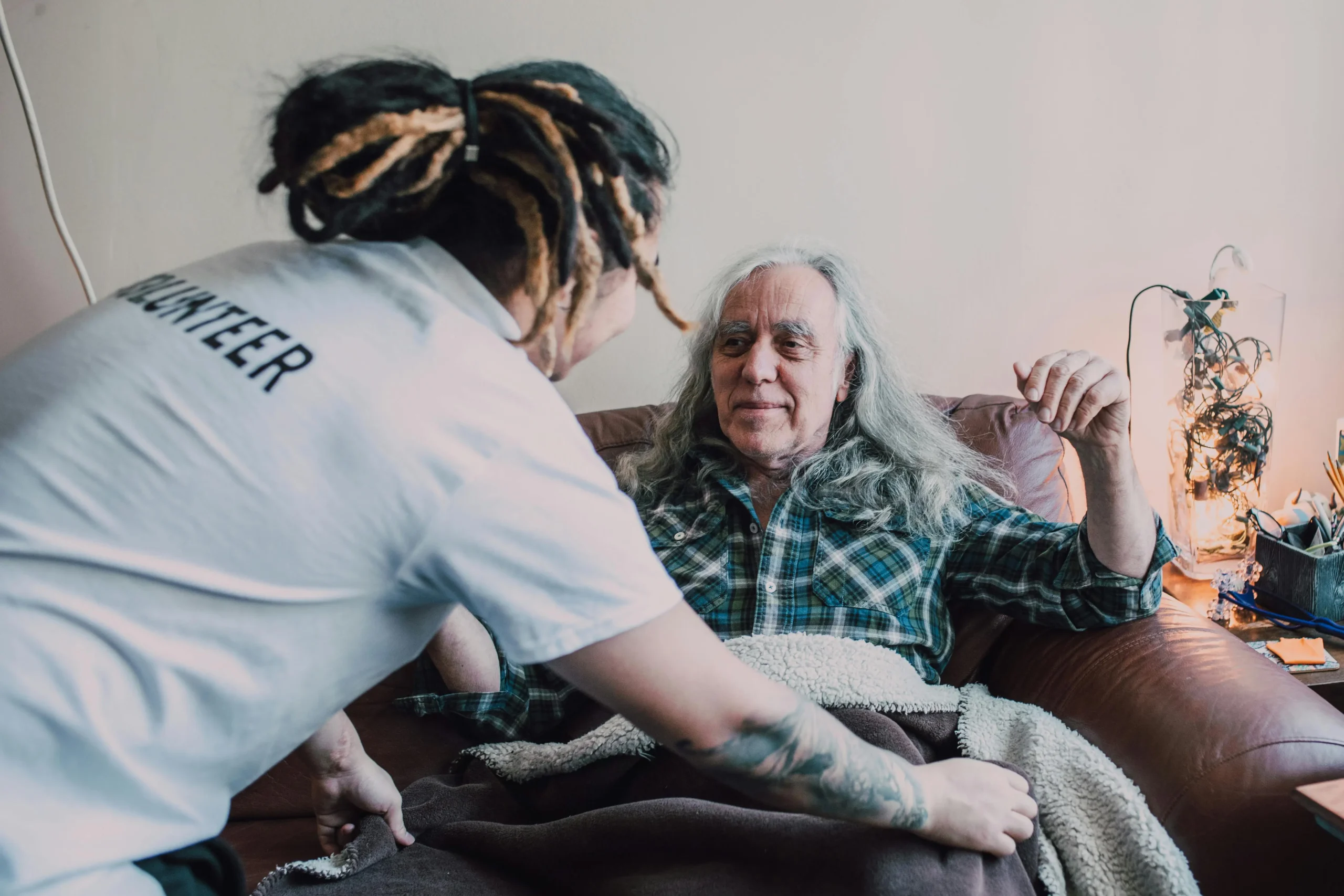
7 Smart Ways to Get Certified
1. Choose an Accredited Training Institute
Select a reputable institute that offers recognized Home Caregiver Training. Accreditation ensures the curriculum meets industry standards and prepares students for real world caregiving responsibilities.
2. Complete Both Theory and Practical Training
The best caregiver certification courses combine classroom learning with hands on clinical practice. Practical experience helps students confidently apply caregiving techniques in real healthcare settings.
3. Learn Essential Patient Care Skills
A comprehensive caregiving program teaches personal care assistance, mobility support, nutrition planning, medication reminders, elderly care, and basic nursing support. These skills are essential for providing quality home based care.
4. Obtain CPR and First Aid Certification
Emergency preparedness is an important part of every professional caregiver course. Learning CPR, First Aid, and Basic Life Support (BLS) enables caregivers to respond quickly during medical emergencies.
5. Build Strong Communication Skills
Effective communication helps caregivers build trust with patients, families, nurses, and other healthcare professionals. Empathy, patience, and active listening are just as valuable as technical skills.
6. Pass the Final Assessment
Most caregiver certification programs include written examinations, practical assessments, and attendance requirements. Successfully completing these evaluations demonstrates your readiness to work as a professional caregiver.
7. Use Job Placement Support
Many training institutes offer resume writing assistance, interview preparation, internships, and job placement services. These resources can help graduates begin successful careers more quickly.
Skills You Will Learn During Home Caregiver Training
Professional Home Caregiver Training develops both technical and interpersonal skills needed to provide high quality home healthcare.
Some of the essential skills include:
- Personal care assistance
- Elderly care
- Disability support
- Patient hygiene
- Infection prevention and control
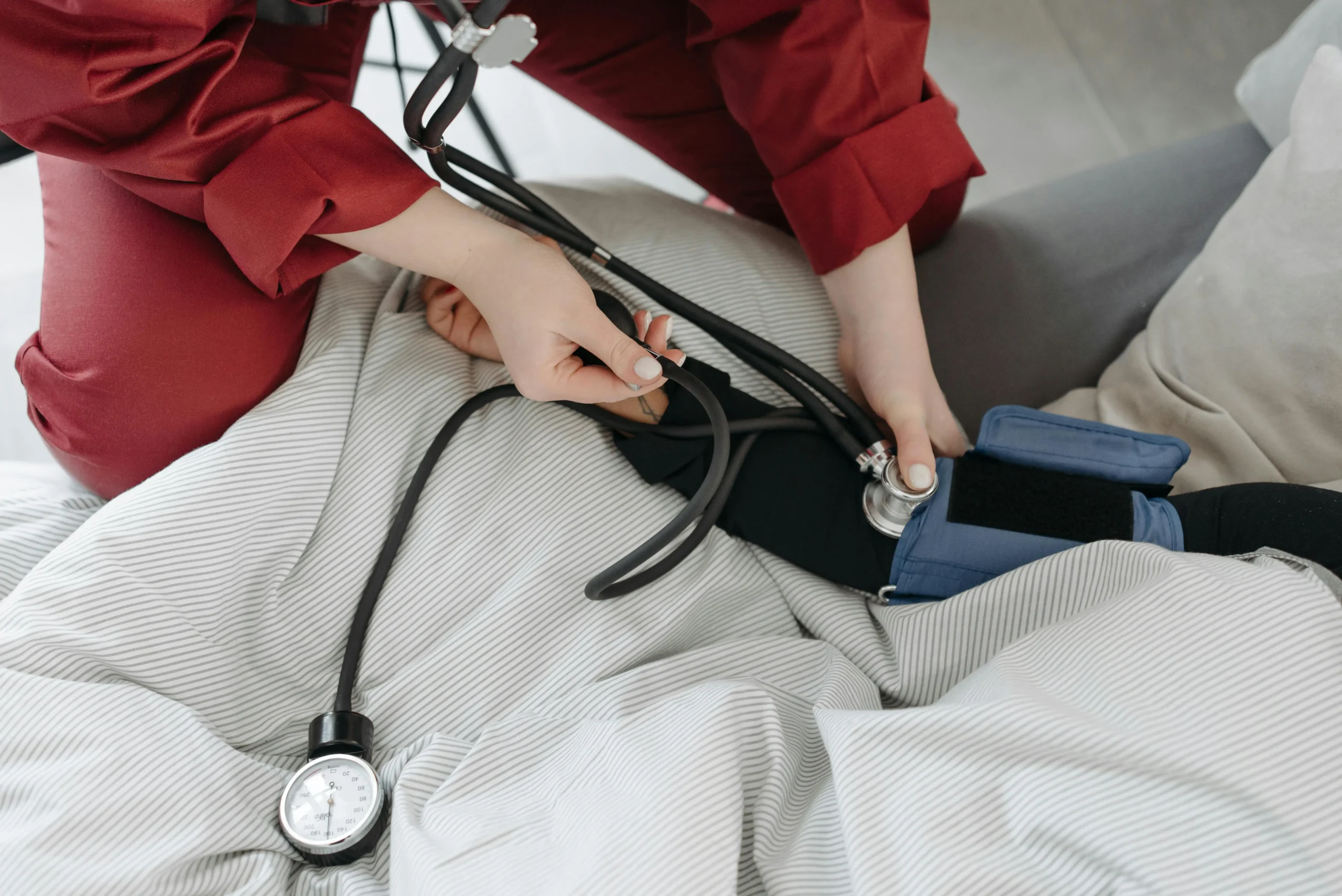
- Vital signs monitoring
- Nutrition and meal planning
- Safe patient transfer techniques
- Medication reminders
- Dementia and Alzheimer’s care
- CPR and First Aid
- Communication skills
- Record keeping
- Professional ethics
- Basic home nursing care
These practical and soft skills prepare caregivers to deliver compassionate, safe, and professional care in a variety of home healthcare settings.
Career Opportunities After Home Caregiver Training
Completing Home Caregiver Training opens the door to many rewarding careers in healthcare, both in Nepal and abroad.
Career opportunities include:
- Home Caregiver
- Elderly Care Assistant
- Personal Care Assistant
- Disability Support Worker
- Home Health Aide
- Nursing Assistant
- Community Healthcare Worker
- Hospice Caregiver
- Rehabilitation Support Assistant
Certified caregivers are increasingly sought after in countries such as Japan, Canada, Australia, the United Kingdom, and several European nations where demand for qualified healthcare professionals continues to grow.
How to Choose the Right Home Caregiver Training Institute
Selecting the right institute is an important step toward a successful caregiving career. Before enrolling, consider these factors:
Accreditation
Choose an institute recognized by the appropriate educational or healthcare authorities.
Practical Training
Look for programs that provide sufficient clinical practice and hands on learning.
Experienced Trainers
Qualified instructors with healthcare experience can provide valuable practical knowledge and guidance.
Updated Curriculum
A good caregiver education program should include elderly care, disability support, infection control, patient safety, CPR, and First Aid.
Certification
Ensure the certificate is recognized by employers and healthcare organizations.
Job Placement Assistance
Institutes that provide internships, career counseling, and interview preparation can improve your employment prospects.
Student Reviews
Reading testimonials and success stories can help you choose a trusted training provider.
FAQs
What is Home Caregiver Training?
It is a professional program that teaches individuals how to provide safe and effective care to patients in home settings through theoretical and practical learning.
Who can join this course?
Students, healthcare assistants, job seekers, and anyone interested in a caregiving career can enroll in a caregiver training program.
How long does the course take?
Depending on the institute, most programs last from several weeks to a few months and include classroom instruction as well as practical training.
Is certification necessary?
Yes. Certification validates your skills and increases your chances of finding employment in healthcare.
Can I work abroad after certification?
Yes. Many countries recruit certified caregivers, although additional language or licensing requirements may apply depending on the destination.
What skills will I learn?
You will learn patient care, elderly support, hygiene, mobility assistance, nutrition, infection prevention, CPR, First Aid, communication, and professional ethics.
Home Caregiver Training is a valuable investment for anyone looking to build a stable and meaningful career in healthcare. Through professional instruction, hands on clinical practice, and recognized certification, you can develop the skills needed to provide compassionate, high quality care in home settings.
By choosing an accredited institute, completing practical training, mastering essential caregiving techniques, and earning certification, you can confidently pursue rewarding career opportunities in Nepal and overseas. As the demand for qualified caregivers continues to rise, investing in professional caregiver education is a smart step toward long term career success.