
Caregiver Training Center: 9 Positive Benefits of Professional Caregiver Training
The demand for qualified caregivers continues to rise as healthcare systems expand and populations age worldwide. Families, healthcare facilities, and home care agencies increasingly rely on trained caregivers to provide compassionate and professional support to individuals who need assistance with daily living and medical care.
A Caregiver Training Center plays a vital role in preparing individuals for this rewarding profession. Through structured education, practical training, and skill development, aspiring caregivers gain the knowledge needed to deliver quality care while building a stable and fulfilling career.
In this article, we will explore the importance of professional caregiver training and discuss the 9 positive benefits of professional caregiver training in 2026.
Table of Contents
- What is a Caregiver Training Center?
- Why is Professional Caregiver Training Important in 2026?
- 9 Positive Benefits of Professional Caregiver Training in 2026
- Who Should Enroll in a Caregiver Training Center?
- Key Skills You Will Learn at a Caregiver Training Center
- Career Opportunities After Completing Caregiver Training
- How to Choose the Best Caregiver Training Center
- Future Scope of Caregiver Careers in 2026 and Beyond
- FAQs
- Conclusion
What is a Caregiver Training Center?
A Caregiver Training Center is an educational institution that provides specialized training programs for individuals who want to work in caregiving and healthcare support roles. These programs combine classroom instruction with practical experience to develop essential caregiving competencies.
Students learn how to assist elderly individuals, patients recovering from illness, people with disabilities, and those requiring long term care. Training typically covers personal care, patient safety, communication, first aid, infection control, and healthcare ethics.
The goal of a Caregiver Training Center is to prepare graduates to provide professional, compassionate, and patient centered care in various healthcare settings.
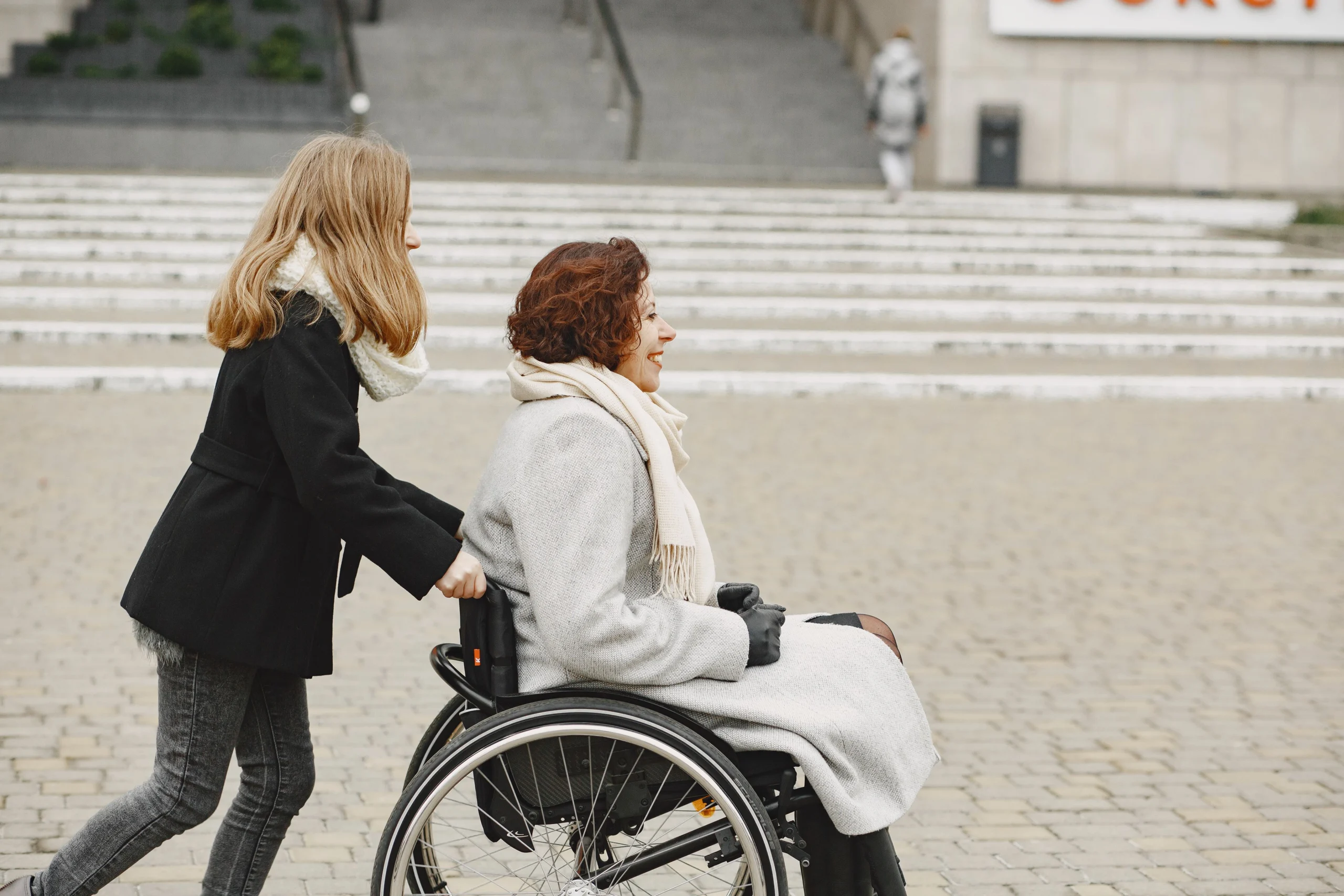
Why is Professional Caregiver Training Important in 2026?
Healthcare needs are evolving rapidly. Aging populations, chronic health conditions, and the growing demand for home healthcare services have created an increasing need for skilled caregivers.
Professional training helps caregivers understand modern healthcare practices, patient safety standards, and effective caregiving techniques. Employers today prefer candidates who have completed training from a recognized Caregiver Training Center because they are better prepared to handle real world caregiving responsibilities.
In 2026, professional caregiver education is more valuable than ever for those seeking career stability and advancement in the healthcare sector.
9 Positive Benefits of Professional Caregiver Training in 2026
1. Develop Essential Caregiving Skills
Professional training teaches caregivers how to assist with daily activities such as bathing, dressing, feeding, mobility support, and personal hygiene while maintaining patient dignity and comfort.
2. Gain Hands On Practical Experience
Many programs include clinical practice and real life caregiving simulations. Practical experience helps students build confidence and prepare for workplace challenges.
3. Improve Employment Opportunities
Graduating from a reputable Caregiver Training Center increases employability. Healthcare facilities often prioritize trained candidates because they require less on the job training.
4. Learn Professional Healthcare Standards
Students gain knowledge of infection prevention, patient safety procedures, emergency response, and healthcare ethics, which are essential for quality care delivery.
5. Enhance Communication and Interpersonal Skills
Caregivers interact with patients, family members, nurses, and healthcare professionals daily. Training helps improve communication, empathy, and teamwork skills.
6. Prepare for International Caregiver Careers
Many countries actively recruit trained caregivers. Professional training can help individuals meet international caregiving standards and improve their chances of overseas employment.
7. Build Confidence and Professionalism
A structured learning environment develops confidence, responsibility, and professional behavior, helping caregivers perform their duties effectively.
8. Create Opportunities for Career Advancement
Training provides a strong foundation for further education in healthcare, including nursing assistant programs, healthcare support services, and specialized caregiving certifications.
9. Make a Positive Impact on People’s Lives
Perhaps the greatest benefit is the ability to improve the quality of life for patients and families through compassionate and dedicated care.

Who Should Enroll in a Caregiver Training Center?
A Caregiver Training Center is suitable for:
- Recent high school graduates
- Individuals seeking healthcare careers
- Aspiring professional caregivers
- Healthcare assistants
- Job seekers looking for stable employment
- Individuals planning to work abroad
- Anyone passionate about helping others
No matter your background, caregiver training can provide valuable skills and career opportunities.
Key Skills You Will Learn at a Caregiver Training Center
Professional caregiver programs focus on practical and interpersonal skills that are highly valued in healthcare settings.
Key skills include:
- Personal care assistance
- Elderly care support
- Patient mobility techniques
- First aid and emergency response
- Infection control practices
- Vital signs monitoring
- Effective communication
- Healthcare documentation
- Emotional support and companionship
- Patient safety management
These competencies help caregivers provide high quality care while maintaining professional standards.
Career Opportunities After Completing Caregiver Training
Graduates can pursue employment in a variety of healthcare environments, including:
- Hospitals
- Nursing homes
- Home healthcare agencies
- Assisted living facilities
- Rehabilitation centers
- Community healthcare programs
- Long term care facilities
- Elderly care centers
Many trained caregivers also find opportunities in international healthcare markets where demand for caregiving professionals continues to grow.
How to Choose the Best Caregiver Training Center
Selecting the right training provider is essential for career success. Consider the following factors:
Accreditation and Certification
Choose a recognized institution with industry approved training programs.
Experienced Trainers
Qualified instructors provide practical insights and professional guidance.
Clinical Training Opportunities
Hands on experience is crucial for skill development and confidence building.
Learning Facilities
Modern classrooms, training equipment, and simulation labs enhance learning outcomes.
Career Support Services
Institutions offering job placement assistance and career counseling can improve employment prospects.
Positive Reviews and Success Stories
Student testimonials often reflect the quality and effectiveness of a training program.

Future Scope of Caregiver Careers in 2026 and Beyond
The future of caregiving remains promising. Healthcare systems worldwide continue to experience staffing shortages, particularly in elderly care and home healthcare services.
As life expectancy increases and healthcare becomes more patient centered, trained caregivers will remain in high demand. Graduates from a reputable Caregiver Training Center can expect strong employment opportunities, career stability, and opportunities for professional growth.
Additionally, global demand for healthcare support professionals is creating pathways for international employment and long term career development.
FAQs
1. What is a Caregiver Training Center?
A caregiver training center provides professional education and practical training for individuals pursuing caregiving careers.
2. Who can enroll in caregiver training?
Most programs are open to students, job seekers, healthcare assistants, and aspiring caregivers.
3. How long does caregiver training take?
The duration varies depending on the program and institution.
4. What skills are taught during caregiver training?
Students learn personal care, elderly care, first aid, infection control, communication, and patient safety.
5. Is practical training included?
Yes, many caregiver programs include clinical practice and hands on learning experiences.
6. Can trained caregivers work abroad?
Yes, professional caregiver training can help qualify candidates for international employment opportunities.
7. What career options are available after training?
Graduates can work in hospitals, nursing homes, home healthcare agencies, and rehabilitation centers.
8. Is caregiving a good career in 2026?
Yes, caregiving remains one of the fastest growing healthcare support professions.
9. How do I choose the best caregiver training center?
Look for accreditation, experienced instructors, practical training, and career support services.
10. Why is professional caregiver training important?
It equips caregivers with the skills, confidence, and knowledge needed to provide safe and effective patient care.
A Caregiver Training Center serves as the foundation for building a successful and meaningful caregiving career. Professional training provides practical experience, healthcare knowledge, and essential caregiving skills that employers value in today’s competitive job market.
The 9 positive benefits of professional caregiver training in 2026 demonstrate why investing in caregiver education is a smart decision. From improving employment opportunities and preparing for international careers to enhancing patient care skills and professional confidence, caregiver training opens the door to a rewarding future in healthcare.
Whether you are starting your career journey or seeking new opportunities, enrolling in a reputable caregiver training program can help you achieve your goals while making a positive difference in the lives of others.