

Caregiving is a meaningful and growing career in Nepal. Many students now search for caregiver course fees in Nepal to begin their journey. However, understanding training, skills, and career scope is equally important for long term success.
When exploring caregiver course fees in Nepal, you should also learn about the caregiver course duration in Nepal. This helps you choose the right training path.
Many students start by searching caregiver course fees in Nepal, but fees alone should not be your only focus. Instead, you should understand what the course offers.
When comparing caregiver course fees in Nepal, always consider training quality. A well structured course gives better career results.
Therefore, even if caregiver course fees in Nepal differ, choose value over price.
The question “How many months is caregiving?” is very common. The caregiver course duration in Nepal depends on course type and level.
The caregiver course duration in Nepal is designed to balance theory and practice. This helps students become confident caregivers.
Choosing the right caregiver course duration in Nepal ensures you gain complete knowledge.
Students often ask, “What is the Caregiver curriculum of CTEVT?” The curriculum focuses on real life caregiving skills.
The curriculum supports both theory and practice, making training effective.
Understanding the curriculum helps you evaluate caregiver course fees in Nepal more effectively.
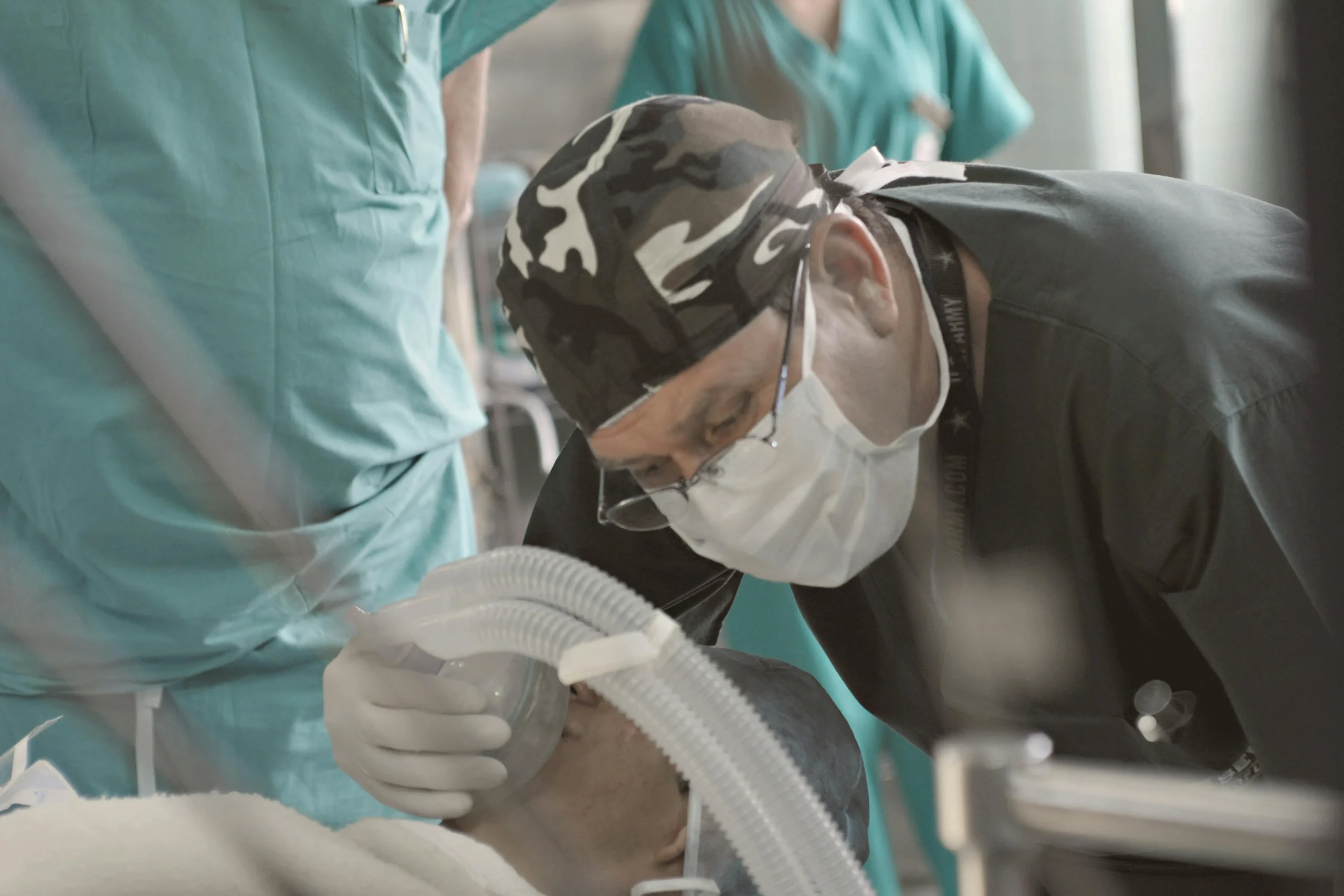
Caregiving requires both technical and emotional skills.
These qualities are essential for every caregiver.
These responsibilities are taught during the caregiver course duration in Nepal.
After completing training, students can explore multiple job roles.
These roles are available after completing courses with reasonable caregiver course fees in Nepal.
With proper training, the caregiver course duration in Nepal prepares you for global opportunities.
Many students ask, “What is the salary of Caregiver in Nepal?” Salary depends on skills, experience, and training.
Completing a quality course despite varying caregiver course fees in Nepal improves job prospects.
The caregiver course duration in Nepal plays a key role in career growth.
Choosing a trusted caregiver training center is essential for success.
A good center ensures your investment in caregiver course fees in Nepal is worthwhile.
Selecting a trusted caregiver training center ensures better career outcomes.
Choosing a caregiver course is not just about checking caregiver course fees in Nepal. It is about understanding training, duration, and career scope.The caregiver course duration in Nepal ensures you gain both theoretical and practical skills. Meanwhile, a trusted caregiver training center helps you become job ready.Caregiving is more than a job it is a meaningful career with growing opportunities. Therefore, invest in learning and skills rather than only focusing on caregiver course fees in Nepal.
A caregiver course in Nepal is a training program that teaches individuals how to care for elderly, sick, or disabled people. It includes both theory and practical skills. Students learn patient care, hygiene, communication, and basic health support. The course is designed to make learners job ready in a short period. Many people choose it because it offers quick entry into the healthcare field. It is also suitable for those planning to work abroad in caregiving roles.
The duration of caregiving courses varies depending on the program level. Some are short term, while others provide more in-depth training. The caregiver course duration in Nepal is structured to balance practical and theoretical learning. A longer duration usually provides better hands on experience and skill development. Therefore, students should choose a course that offers enough time for proper training instead of rushing through shorter programs.
The curriculum focuses on practical caregiving skills such as patient hygiene, first aid, and communication. It also includes basic nursing knowledge and elderly care techniques. The goal is to prepare students for real life caregiving situations. The training includes both classroom learning and hands on practice. This structured approach ensures students develop confidence and competence before entering the workforce.
The top three qualities are compassion, patience, and responsibility. Compassion helps caregivers connect with patients emotionally. Patience allows them to handle challenging situations calmly. Responsibility ensures they complete tasks properly and safely. These qualities are essential because caregiving involves both physical and emotional support. Training programs also focus on developing these qualities alongside technical skills.
The main responsibilities include assisting daily activities, monitoring health, providing emotional support, maintaining hygiene, and communicating with family members. Caregivers help patients with eating, bathing, and mobility. They also observe health changes and report them when necessary. These responsibilities ensure that patients receive proper care and live comfortably.
The salary depends on experience, skills, and workplace. Beginners may earn less, while experienced caregivers earn more. Training quality also plays a big role in salary growth. Those who complete courses from a trusted caregiver training center often have better job opportunities. Additionally, caregivers working abroad usually earn higher salaries compared to local jobs.
Health Assistant (HA) courses are different from caregiver training. They focus more on medical treatment and diagnosis. HA programs are longer and more detailed compared to caregiving courses. While both are in the healthcare field, caregiving is more focused on patient support and daily care. Students should choose based on their career goals and time commitment.
Yes, caregiver training is highly beneficial for working abroad. Many countries have a high demand for trained caregivers. Completing a course improves your chances of getting international job opportunities. Proper training, along with practical experience, makes candidates more competitive. Therefore, choosing the right course and center is important for global career growth.
To choose a trusted caregiver training center, check for experienced trainers, practical facilities, and recognized certification. Also, read reviews and ask about job placement support. A good training center focuses on both theory and hands on learning. Asking the right questions before enrollment helps ensure you make a smart decision.
Caregiver training is important because it prepares individuals to provide safe and effective care. It teaches essential skills like patient handling, hygiene, and communication. Without proper training, caregiving can be challenging and risky. Training also builds confidence and improves job opportunities. Therefore, enrolling in a structured program is the best way to start a caregiving career.